
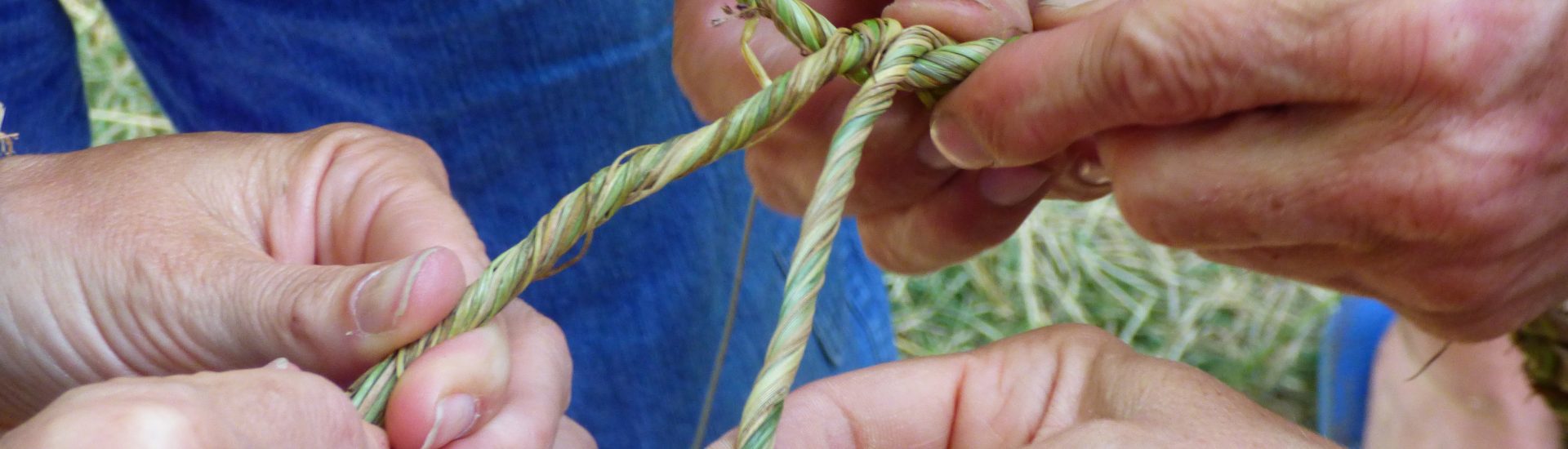
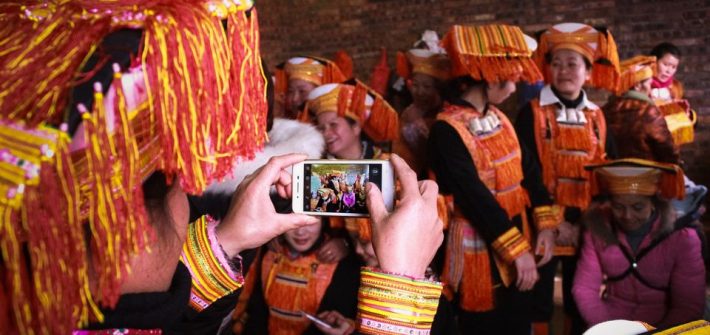
Photo ©Isabelle Coulon La prochaine programmation du Festival Anako du film ethnographique et de ses préludes est arrivée. Il aura lieu du jeudi 27 au dimanche 30 juin en Loudunais à Loudun et Bournand et en Saumurois à Saumur. Ses préludes se dérouleront courant mai et juin prochains dans différentes villes de la région et […]
Normandie, du 08 au 12 mai , « Hózhó, cheminer sur la voie de la beauté »
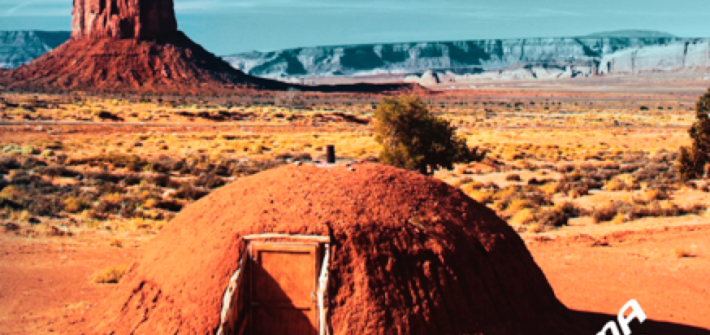
Nous sommes heureux de vous proposer un événement unique, « Hózhó, cheminer sur la voie de la beauté » avec Lorenza Garcia Du 08 au 12 mai 2024 Domaine « Le Silence du Temps » Lieu dit La Terrasse, 50490 Muneville Le Bingard à 10km de Coutances, à 1h20 de Caen, 1h40 de Rennes, à 3h30 de Paris […]
Programme des conférences et dédicaces de janvier à juin 2024 – Lancement du livre « 20 ans auprès des Navajos »
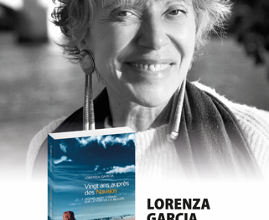
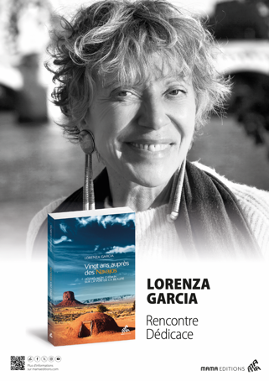
LORENZA GARCIA Vingt ans auprès des Navajos Hózhó, mon chemin sur la voie de la beauté JANVIER 2024 Lundi 22 janvier à 19h30 – Com Turquoise – Zoom Com Turquoise interview Lorenza Garcia à l’occasion de la sortie de son livre, « 20 ans auprès des Navajos », Hózhó, mon chemin sur la voie de la beauté. Cette […]
Drôme du 18 au 24 juillet Partons « à l’écoute du chant de la Terre », avec Le Cercle des Passeurs
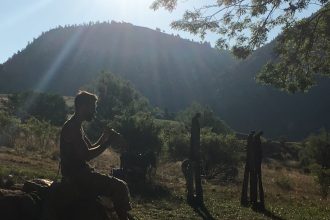
La Terre nous parle, disent les peuples racines. Inspirés par leurs philosophies, nous ouvrirons grandes nos oreilles et nos sens pour entendre comment la Terre, le territoire, nous donne le «La » et nous invite à se souvenir que nous sommes la nature. À travers la connexion à cette montagne située à l’écart du monde […]
Drôme du 16 au 20 mai Tressons le fil de nos histoires avec Le Cercle des Passeurs
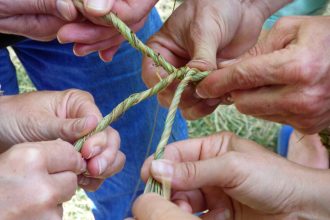
Dans l’inspiration des philosophies des peuples racines, quelle histoire avons-nous envie d’écrire sur la Terre pour mieux « marcher nos mots » ? Avec le soutien de la nature au coeur de ces belles montagnes, des gestes premiers, de l’art du conte, des peintures de sable, nous tresserons ensemble les fils de nos histoires, dans l’intention d’embellir, […]
Atelier 4 et 5 mai « Dialogue avec la vie, l’art du vivant » à Cormeilles
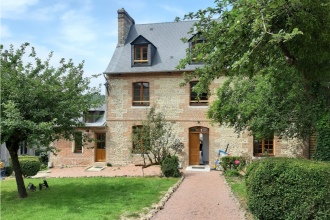
Atelier les 4 et 5 mai 2024 » DIALOGUE AVEC LA VIE » L’art du Vivant au Presbytère, 24 bis rue de l’Abbaye – 27260 CORMEILLES Horaires : 9h30 /13h – 14h/17h30 Selon les mythes de la Création, l’histoire des Diné, le « Peuple » en langue Navajo est d’initier et enseigner aux nouvelles générations […]
Conférence le 3 mai à 20h – « Vingt ans auprès des Navajos, Hózhó, mon chemin sur la voie de la beauté »

Lorsque Lorenza Garcia rencontre les Indiens navajos (ou Dinés) pour la première fois en 1996, lors d’une exposition au parc de la Villette à Paris, sa vie bascule. Pour elle, le chant et la peinture sont un art ; pour eux, ils ont le pouvoir de guérir. C’est une rencontre majeure pour Lorenza, qui est […]
28 janvier au Grand Rex, #etugenimmersive
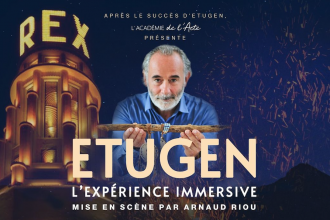
Grand merci à Arnaud Riou , aux membres de L’Académie de l’Acte et Terre Anima pour avoir invité Lorenza Garcia à la grande aventure #etugenimmersive qui aura lieu le 28 janvier au Grand Rex Le Grand Rex, le plus grand cinéma d’Europe Un écran de 300 mètres carrés 2 500 spectateurs attendus 6 heures d’évènement […]
Calendrier 2024 – ATELIER HÓZHÓ & VIE

ATELIER HÓZHÓ & VIE « LA BEAUTÉ, RACINE DE L’ÉPANOUISSEMENT » Pratique des Arts Contemporains inspirés des Peuples Racines d’Amérique du Nord Le programme Hózhó&Vie « La Beauté, racine de l’épanouissement » des ateliers de l’année 2024 vous invite à mettre en œuvre des pratiques innovantes à travers l’art du chant et l’art de la peinture de sable artistiques […]
07 janvier 2024 #hozhofarming Clôture campagne participative
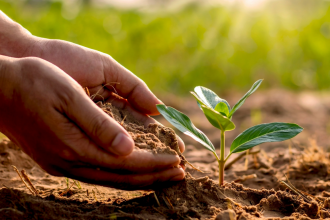
Grâce aux partenaires, contributeurs, associés, amis, bénévoles, frères et sœurs de cœur du projet Hozho Farming, les étapes n° 1 et n° 2 du projet ont pu être financées. Récapitulatif Étape 1 : Financement des billets d’avion pour la venue des paysans dinés, Navajos en France. Étape 2 : Création de ressources vidéos pédagogiques (repérage, tournage), frais de […]